Asthma affects millions of people in the United States, but for some, standard treatments like inhalers and medications are not enough to keep symptoms under control. When asthma is classified as severe and persistent, it can interfere with daily life, cause frequent hospital visits, and limit breathing even when medications are used properly.
For these patients, advanced treatment options may be necessary. One such option is bronchial thermoplasty: a minimally invasive outpatient procedure designed to reduce asthma attacks and improve breathing in adults with severe asthma.
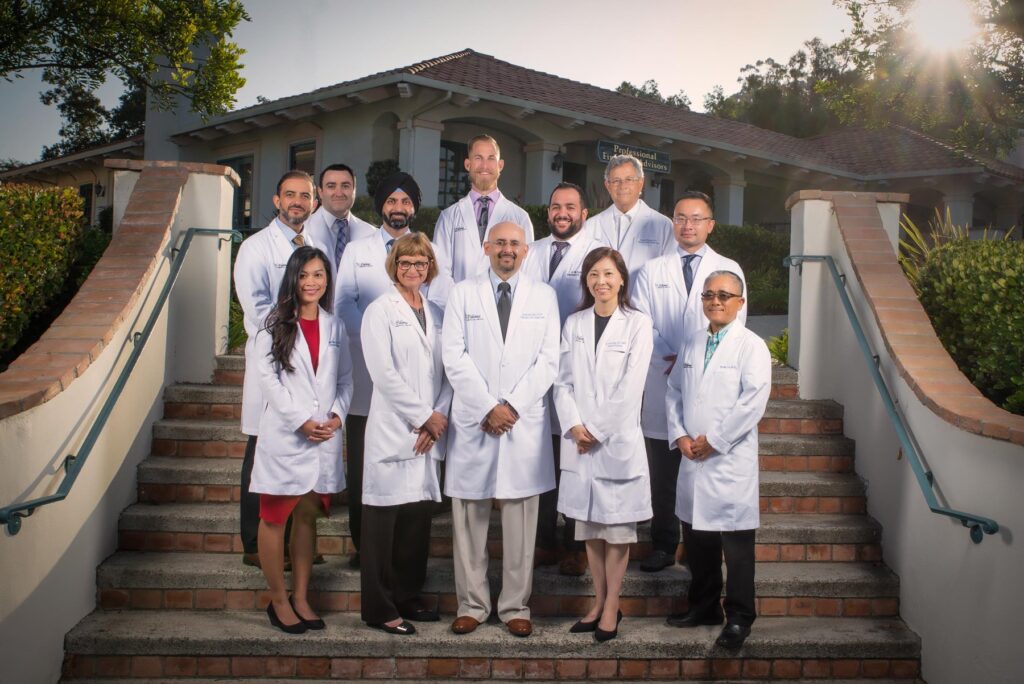
At Paloma Medical Group, we work closely with patients to evaluate whether bronchial thermoplasty may be appropriate, especially when traditional therapies have not provided relief. If you or a loved one is living with severe asthma, here’s what you should know about this innovative treatment.
What Makes Asthma Severe?
Severe asthma is a diagnosis given to individuals whose symptoms are not well-controlled despite high doses of inhaled corticosteroids and additional controller medications. People with severe asthma may experience:
- Frequent flare-ups requiring oral steroids
- Multiple emergency room visits or hospitalizations per year
- Ongoing symptoms such as wheezing, coughing, chest tightness, or shortness of breath
- Missed work, school, or social activities due to breathing issues
In these cases, it’s not simply about better medication adherence. The airways themselves remain highly reactive and inflamed, even with consistent treatment. That’s where bronchial thermoplasty comes in.
How Bronchial Thermoplasty Works
Bronchial thermoplasty is a procedure that targets the smooth muscle lining the airways in the lungs. In people with severe asthma, this muscle tends to be thickened and overactive, contributing to airway narrowing during an asthma attack. The more the muscle contracts, the more difficult it becomes to breathe.
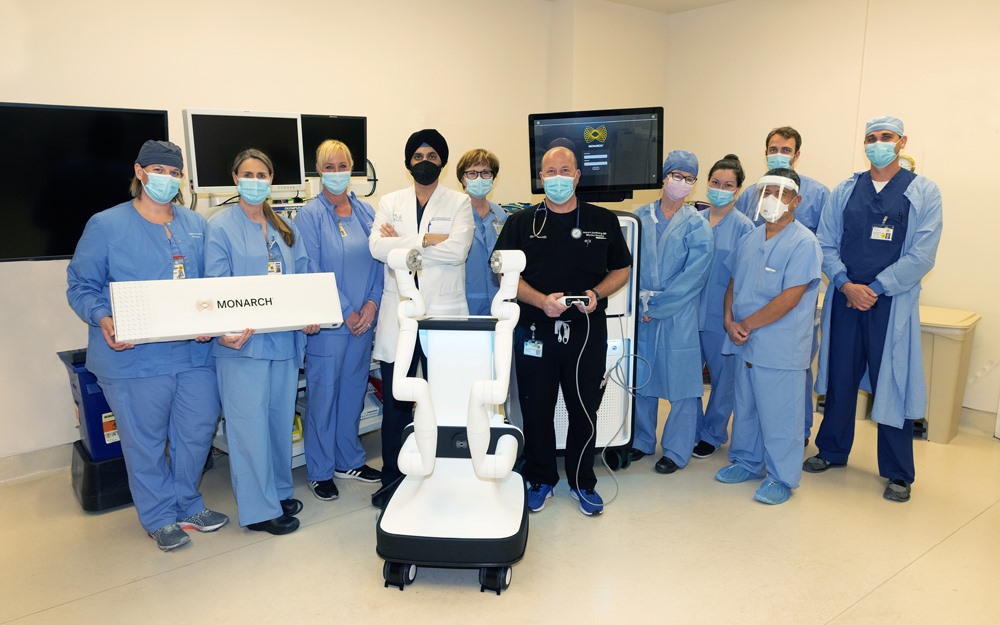
During bronchial thermoplasty, a physician uses a thin, flexible tube called a bronchoscope to deliver gentle, controlled heat to the airway walls. This heat reduces the amount of smooth muscle, making the airways less likely to tighten and spasm.
The treatment is typically performed over the course of three sessions, each scheduled about three weeks apart. Different sections of the lungs are treated in each session to allow for healing and optimal effectiveness.
Who May Be a Candidate
Bronchial thermoplasty is only recommended for adults, age 18 and older, who have severe asthma that has not responded well to standard medications. It is not a first-line treatment and is not appropriate for patients with mild or moderate asthma.
Candidates for this procedure often:
- Take daily asthma medications at high doses
- Use rescue inhalers frequently
- Experience frequent exacerbations or hospital visits
- Have undergone repeated courses of oral corticosteroids
Before considering bronchial thermoplasty, a full evaluation is required. At Paloma Medical Group, we will review your medical history, assess lung function with pulmonary testing, and confirm that your symptoms meet the criteria for severe, treatment-resistant asthma.
What to Expect During the Procedure
Bronchial thermoplasty is performed under moderate sedation in an outpatient setting. Each session usually takes less than an hour. You will be monitored closely throughout the procedure, and most patients go home the same day.
During the procedure, the bronchoscope is guided into the lungs, and a small catheter delivers heat energy to the airway walls. This process is repeated in different parts of the lungs over the three sessions.
Some patients experience mild side effects such as cough, wheezing, or temporary worsening of asthma symptoms for a few days after each treatment. These side effects are usually manageable and improve quickly.
Benefits and Outcomes
Clinical studies have shown that bronchial thermoplasty can significantly reduce asthma attacks, emergency room visits, and missed days from work or school. Many patients report better overall asthma control and improved quality of life within weeks of completing treatment.
The benefits of bronchial thermoplasty are long-lasting, with studies showing reduced symptoms for five years or more following the procedure.
It’s important to note that bronchial thermoplasty is not a cure for asthma, and patients still need to follow their prescribed medication regimen. However, it can make symptoms more manageable and reduce the need for rescue treatments.
Coordinated Care and Expert Support from Paloma Medical Group
Managing severe asthma requires more than just procedures and prescriptions. It requires ongoing communication between you and your healthcare team. At Paloma Medical Group, we offer coordinated, physician-led care with same-week appointments, direct access to your doctor, and support across all care settings, including hospitals and long-term care facilities when needed.
If you’re living with severe asthma that hasn’t improved despite multiple medications, bronchial thermoplasty may offer a new path forward. Our team will help you weigh the risks, benefits, and timing of this treatment based on your individual health needs.
Schedule a Consultation
Paloma Medical Group serves patients in Laguna Hills, San Juan Capistrano, and throughout South Orange County. If you think bronchial thermoplasty may be right for you, call 949-443-4303 today to learn more and explore your treatment options. Our goal is to help you breathe easier and live more fully.